
Corporate Event Management Strategies For Modern Businesses
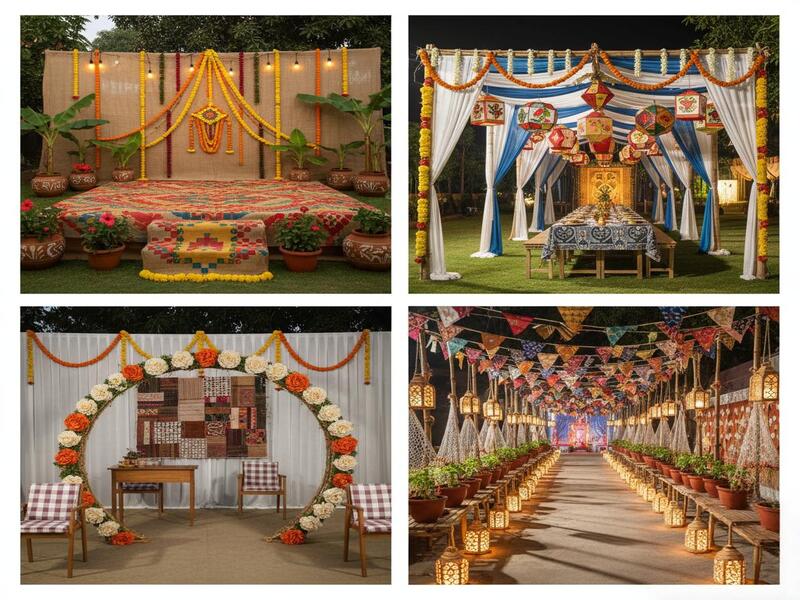
Modern Corporate Event Setup Inspiration
Corporate event management has evolved far beyond simple venue bookings and stage arrangements. In today’s business environment, events represent powerful moments where organisations bring their brand story to life. A well planned corporate gathering can strengthen relationships, introduce new ideas, celebrate achievements, and create lasting impressions among clients, partners, and employees. Businesses across industries now view events as strategic communication tools rather than occasional celebrations.
When companies invest in corporate events, they expect experiences that reflect professionalism, creativity, and purpose. Whether it is a product launch, an annual conference, a leadership summit, or a milestone celebration, every detail contributes to how attendees perceive the organisation. This is why corporate event management has become a specialised discipline that combines strategic planning, creative design, logistical precision, and audience engagement.
In cities like Kolkata, where culture and commerce meet, event experiences often blend tradition with contemporary business expectations. Many event planners draw inspiration from local creativity while integrating modern design concepts and advanced technology. Teams that approach event management with this balance often create gatherings that feel meaningful, immersive, and memorable.
For organisations searching online for answers to questions such as “how to plan a corporate event successfully” or “what makes a corporate event memorable for business audiences,” the answer often lies in thoughtful strategy and human centred experiences. A corporate event is not simply an occasion on the calendar. It is a carefully designed moment where brand values, communication goals, and emotional connection come together.
Understanding how this process works helps business leaders, marketing teams, and HR departments plan events that truly deliver value. When the planning begins with clarity and intention, corporate events become powerful platforms for collaboration, learning, recognition, and growth.
Understanding the Purpose of Corporate Event Management
Corporate event management refers to the professional planning, design, and execution of events organised by businesses or organisations. These events can serve many purposes, including marketing, networking, employee engagement, brand building, and knowledge sharing. While the format may differ from one company to another, the goal remains the same. A successful corporate event should communicate a message, create a positive experience, and strengthen relationships.
Businesses organise corporate events for a wide range of occasions. Conferences allow industry leaders to share insights and knowledge. Product launches introduce new innovations to the market. Annual meetings celebrate achievements and discuss future strategies. Team building events strengthen internal culture and encourage collaboration among employees. Each type of event requires a unique approach to planning and execution.
The process begins with understanding the objective of the event. Without a clear goal, even the most visually impressive event may fail to deliver results. Some organisations may want to increase brand visibility, while others may focus on strengthening partnerships or motivating employees. Once the purpose is defined, every element of the event can be aligned with that objective.
Professional event planners often emphasise the importance of designing experiences that reflect a company’s identity and values. According to information from the Kala Kriti Events website, customised themes and décor concepts play a key role in aligning an event with a company’s ethos and vision. These personalised elements ensure that the atmosphere of the event supports the organisation’s message and brand identity.
This approach highlights an important principle of corporate event management. A successful event is not only about logistics or decoration. It is about creating an environment where people feel engaged, inspired, and connected to the organisation’s purpose.
When planning begins with this mindset, the event becomes an extension of the brand rather than just a gathering. Attendees leave with a stronger understanding of the company’s values and a more memorable experience.
The Strategic Planning Behind Successful Corporate Events
Every impactful corporate event begins with careful planning. Strategic preparation ensures that the event aligns with business objectives, audience expectations, and operational realities. Without this foundation, even the most creative ideas may struggle to deliver meaningful results.
The planning process often starts with identifying the audience. Different groups require different experiences. For example, an investor conference focuses on data, credibility, and industry insights, while an employee appreciation event emphasises celebration, recognition, and emotional connection. Understanding who will attend helps organisers design an experience that resonates with the participants.
Budget planning is another important stage. Corporate events often involve multiple components, including venue selection, décor design, lighting, audio visual technology, catering, entertainment, and communication materials. A well structured budget ensures that resources are allocated effectively while maintaining quality.
Venue selection also plays a major role in shaping the overall experience. The location influences accessibility, ambience, and guest comfort. A conference may require a venue with advanced presentation facilities, while a gala dinner may prioritise elegance and atmosphere. The chosen space must support the event’s objectives while offering a welcoming environment for attendees.
Another critical factor in corporate event management is timeline coordination. Events involve many moving parts, including suppliers, designers, performers, technicians, and hospitality teams. Coordinating these elements requires careful scheduling and communication. Professional event managers often create detailed timelines to ensure that every stage of preparation runs smoothly.
Technology has also become a central component of modern corporate events. Digital registration systems, live streaming platforms, interactive presentations, and event management software allow organisers to enhance engagement and efficiency. These tools enable companies to reach wider audiences while providing valuable data about participation and feedback.
The planning stage is also where creative ideas begin to take shape. Themes, visual concepts, stage designs, and experiential elements are developed during this phase. These elements help transform the event into a unique experience rather than a routine meeting.
When strategic planning is done thoughtfully, it creates a strong foundation for every aspect of the event. The result is a seamless experience where creativity, organisation, and professionalism work together to deliver meaningful outcomes.
Creating Memorable Experiences Through Design and Atmosphere
One of the most exciting aspects of corporate event management is the opportunity to design experiences that engage the senses and communicate a brand’s story. Visual elements, lighting, décor, and spatial design all influence how attendees perceive and remember an event.
A thoughtfully designed event environment creates emotional impact. When guests walk into a venue that reflects the company’s identity, they immediately sense the intention behind the gathering. Colours, textures, and layouts can subtly reinforce brand values while enhancing the overall atmosphere.
Custom themes are particularly powerful in this context. Event planners often develop concepts that connect with the purpose of the event. For example, a technology company launching an innovative product may choose a futuristic theme with dynamic lighting and digital installations. A sustainability focused organisation may incorporate natural materials, greenery, and eco friendly décor elements.
Companies that specialise in event design frequently highlight the importance of aligning décor with the organisation’s message. According to the Kala Kriti Events website, customised themes and creative decorations are designed to bring a client’s vision to life while creating visually engaging environments.
Lighting is another element that shapes the mood of an event. Soft lighting can create an elegant and intimate atmosphere, while vibrant lighting effects energise larger gatherings. Projection mapping, LED installations, and stage lighting are commonly used to highlight key moments such as speeches, presentations, or product reveals.
Sound and music also influence the overall experience. Carefully selected background music during networking sessions can encourage conversation and relaxation, while dynamic audio effects during presentations add excitement and emphasis.
Beyond visual and auditory elements, interactive experiences are increasingly becoming part of corporate events. Networking zones, demonstration areas, interactive displays, and digital engagement platforms allow attendees to participate actively rather than simply observe.
The goal of event design is to create moments that people remember. When guests feel immersed in the environment and emotionally connected to the experience, they are more likely to engage with the message of the event.
Corporate event management professionals often describe this process as transforming spaces into storytelling environments. Each design choice contributes to a narrative that reflects the company’s identity and values.
The Role of Corporate Events in Brand Building
Corporate events offer businesses a unique opportunity to communicate their brand identity in a direct and immersive way. Unlike digital advertisements or marketing campaigns, events allow audiences to experience the brand in real time through personal interaction.
When guests attend a corporate gathering, they observe how the organisation presents itself. They notice the quality of the venue, the professionalism of the hosts, the creativity of the décor, and the organisation of the programme. These details collectively influence how attendees perceive the brand.
For many companies, corporate events serve as platforms for launching new products or services. A well organised launch event generates excitement and media attention while providing potential clients with a hands on experience of the offering. Presentations, demonstrations, and interactive sessions help communicate the value of the product more effectively than traditional marketing channels.
Networking events are another example of how corporate gatherings contribute to brand building. When professionals from different industries come together in a well organised environment, meaningful conversations and partnerships often emerge. The hosting organisation becomes associated with collaboration, innovation, and leadership within the industry.
Employee focused events also play a significant role in shaping internal brand perception. Celebrations, training sessions, and recognition programmes reinforce the company’s culture and values. Employees who feel appreciated and engaged often become strong ambassadors for the brand.
Corporate events can also highlight a company’s commitment to social responsibility and sustainability. Some event planners incorporate eco conscious design elements and support local artisans or suppliers to create meaningful impact within the community. Such practices demonstrate that the organisation values responsible and thoughtful engagement beyond business goals.
Recognition within the event industry often reflects innovation and creativity in planning. The Kala Kriti Events team, for example, has been recognised for its contributions to event planning and its efforts to integrate cultural heritage with modern design approaches while supporting local artisans.
These initiatives illustrate how corporate event management can go beyond logistics to reflect deeper organisational values. When events align with a brand’s mission and social responsibility goals, they create authentic connections with audiences.
Why Professional Corporate Event Management Matters
Organising a corporate event may appear straightforward at first, but the complexity behind the scenes can be significant. From coordinating suppliers to managing schedules and ensuring guest satisfaction, many elements must come together seamlessly.
Professional event management teams bring expertise and experience that help organisations navigate these challenges. They understand how to manage timelines, negotiate with vendors, design engaging programmes, and anticipate potential issues before they arise.
One of the key advantages of working with experienced event planners is their ability to transform ideas into practical solutions. Businesses may have a vision for their event, but translating that vision into reality requires technical knowledge, creative insight, and logistical coordination.
Event management professionals also understand how to manage risks. Unexpected challenges such as weather changes, technical difficulties, or last minute schedule adjustments can occur during any event. Experienced planners prepare contingency plans and maintain flexibility to ensure that the event continues smoothly.
Another important aspect of professional event management is attention to detail. Small details such as signage placement, seating arrangements, lighting angles, and guest flow can significantly influence the overall experience. Experienced planners carefully consider these elements to create a seamless environment for attendees.
In addition to planning and execution, many event management teams provide complementary services such as photography and documentation. Coordinating these services within the event design process ensures that key moments are captured effectively and can be used for future communication and marketing.
According to information on the Kala Kriti Events website, collaboration between event planners and photographers helps ensure that décor, lighting, and design elements are captured in their full visual impact.
This integration demonstrates how professional event management considers not only the event itself but also how its moments will be remembered and shared afterwards.
Ultimately, the role of a corporate event manager is to create an environment where the host organisation can focus on engaging with guests while the logistics operate smoothly in the background.
The Future of Corporate Event Management
The world of corporate events continues to evolve as technology, audience expectations, and business priorities change. Companies are increasingly looking for experiences that combine innovation, sustainability, and meaningful engagement.
Hybrid events have become more common, allowing participants to attend both in person and online. Live streaming technology, interactive digital platforms, and virtual networking spaces enable companies to reach global audiences while maintaining the energy of a live event.
Data analysis is also playing a greater role in event planning. Digital registration systems and engagement tools allow organisers to collect insights about attendance, participation, and audience preferences. These insights help businesses refine future events and measure their impact more effectively.
Sustainability is another growing priority in corporate event management. Many organisations are seeking environmentally responsible practices such as reducing single use materials, sourcing local suppliers, and using reusable décor elements. These efforts reflect a broader commitment to responsible business practices.
At the same time, the human element of events remains as important as ever. While technology enhances efficiency and reach, the essence of a successful corporate event lies in genuine connection. Conversations, shared experiences, and memorable moments continue to define the value of in person gatherings.
As the corporate world continues to adapt and grow, events will remain important platforms for collaboration, innovation, and storytelling. Businesses that approach event management with creativity, purpose, and professionalism will continue to create experiences that inspire and connect people.
Corporate events, when thoughtfully designed and carefully executed, become more than gatherings. They become meaningful experiences that strengthen relationships, communicate ideas, and celebrate progress.