
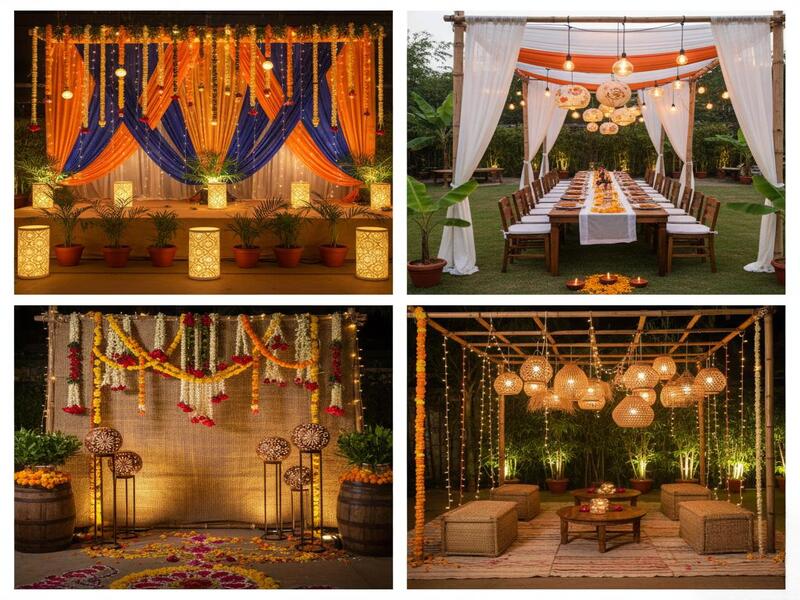
Corporate Event Management Decoration Guide – Insights & Tips
Corporate Event Decoration Ideas That Inspire Excellence
Hosting a corporate event is more than booking a venue and serving refreshments. It is about creating an experience where everyone who walks in feels the spirit of your brand. Corporate event decoration becomes the silent storyteller of your company’s identity. In this article, I explore how corporate event decoration, when done right, can transform a gathering into a memorable, meaningful experience. I draw on industry insights, best practices, and the philosophy of a Kolkata-based event firm that blends creativity, local sensibility and professional precision to make every event truly special.
Understanding the role of decoration in corporate events starts with recognising that each visual detail shapes how guests perceive your company. From lighting to floral arrangements, from entrance décor to interactive zones, every element sets a mood. When these elements are aligned with your brand values and event objective, the gathering becomes more than a meeting — it becomes an immersive brand experience. In this blog, you will find practical guidance on how to plan decorations for corporate events that reflect your company identity, engage participants, and leave a lasting impression.
Why Corporate Event Decoration Matters
Corporate event decoration matters because it shapes the atmosphere, conveys the purpose, and connects guests to the brand story. Decorations are not superficial extras but foundational to how an event is experienced. The ambience created by thoughtful decoration influences mood, engagement, and memory. Whether you aim to impress clients, motivate employees, launch a product, or celebrate a milestone, the decor must reflect that objective.
When you consider corporate decoration as an extension of your brand identity, it gains purpose. If your company stands for innovation and modernity, décor choices like sleek lighting, minimalist installations, and tech-driven signage reinforce that image. If your company emphasises cultural roots, heritage and warmth, floral arrangements, fabric textures and classical motifs may do the job. The alignment of décor with brand essence builds trust and communicates authenticity.
Different kinds of corporate events need different decorative approaches. A product launch may need dramatic lighting and LED displays, while a year-end celebration might call for warm, festive touches. A conference or seminar benefits from subtle elegance that maintains professionalism and focus. The décor helps set expectations before the first word is spoken.
Decoration also affects comfort and flow. Poorly thought-out decor can make a venue feel cramped or chaotic, whereas well-designed decoration can guide guests effortlessly — welcoming them, leading them to networking areas or presentation zones, and creating comfortable spaces for interaction.
In short, decoration is not decoration alone. It is part of the strategy, part of the emotional resonance, and part of the experience.
How to Align Decoration with Event Purpose and Company Culture
The first step in designing corporate event decoration is clarity in purpose. Ask yourself: what is the event for? Is it to impress clients, celebrate internal achievements, launch a product, or build team spirit? The decor must reflect the answer. The event’s purpose becomes the foundation of all creative choices.
Once purpose is clear, the next step is to consider your company culture and brand values. A company with a formal, corporate identity needs a decor language of sophistication — perhaps minimalist design, refined colour palette, crisp lighting. A creative or youthful brand may opt for bold colours, playful lighting effects, or interactive décor installations. The key is consistency. Whatever décor you choose, it should feel natural to your brand story.
This alignment avoids generic, cookie-cutter decorations and instead results in bespoke experiences. A well-aligned décor creates resonance: attendees sense authenticity. That sense of authenticity builds credibility and strengthens brand image — something that matters deeply for client perceptions, internal morale, and long-term relationships.
When the décor reflects culture and purpose, it becomes memorable. Guests may talk about the atmosphere long after the event ends. They remember the details — the lighting that felt just right, the floral arrangements that seemed thoughtful, the flow from entrance to main hall, the ambience of networking spaces. All of this contributes to the success of your event in intangible but powerful ways.
Key Elements of Effective Corporate Event Decoration
When planning corporate event decoration, certain key elements consistently influence success. These elements form the building blocks of any well-designed corporate gathering.
Lighting is one of the most powerful tools in decoration. The right lighting can transform a bland hall into a captivating space. Soft, warm lighting adds elegance and intimacy. Dynamic, coloured LED lighting or even programmable lights can inject excitement — useful for product launches or gala dinners. Lighting can also be used to highlight key areas like stages, entrances, signage or branding displays. Used properly, lighting becomes part of the narrative.
Decorative arrangements such as floral displays, fabric drapes and balloon installations can add depth, texture and charm to a space. These are not limited to festive events. Even professional settings benefit from subtle florals and tasteful fabric décor to soften the environment and make it more welcoming, especially in large or formal halls. Natural elements or biophilic touches like greenery or plant-based installations add freshness and calm. Recent trends show growing interest in sustainable décor solutions such as living walls or plant installations, which align both with aesthetic appeal and environmental conscience.
For events where brand identity matters strongly — such as product launches or corporate galas — integrating branding into décor can make a big difference. This may include branded signage, digital displays, LED walls, or backdrop installations featuring company logos or key messages. Visual consistency with corporate colours, typography and design language strengthens brand recall. In modern events, high-resolution LED displays or digital signage can replace or complement traditional banners, giving a more immersive, professional feel.
Another important aspect is spatial design — how decor helps organise guest flow and interaction. Designated zones for welcome, networking, seating, presentations, refreshments or breakout sessions can be subtly indicated through décor elements: lighting, floor arrangements, signage, partitions or fabric dividers. A well-thought spatial layout ensures that event feels organised, helps guests navigate intuitively, and supports the purpose — whether networking, celebration or formal presentation.
Finally, comfort and accessibility matter. Decorations must not interfere with movement, visibility or accessibility. Tables, seating, aisles, stage visibility, entrances and exits must remain clear. Over-decorating or cluttering a space can backfire. The aim is to balance aesthetic impact with practicality, creating a polished environment that feels well-planned, welcoming and functional.
Combining Creativity and Professionalism: Best Practices from Event Experts
One effective approach is to adopt a structured but flexible process: start with consultation, then design, coordinate, execute, and follow-up. This gives your decoration project clarity and ensures that design ideas translate into real, functioning setups.
In the initial consultation, clarify event goals, guest profile, brand identity, desired ambiance, budget, and any specific requirements (such as sustainability or hybrid/virtual attendance). Having a detailed brief from the start ensures all stakeholders are aligned and reduces miscommunication or unexpected issues later.
During the design phase, consider creating mock-ups or visualisations. Visual previews help you and your team anticipate how décor elements will look in the chosen venue and make necessary adjustments before execution. This phase is also ideal to fine-tune colour schemes, lighting plans, furniture layout, and branding placements.
For execution, coordination and logistics are critical. You must manage vendor selection, delivery timelines, installation, on-site setup, technical requirements (e.g. lighting, audio-visual, digital signage), and contingency plans. Poor coordination can derail even the most beautiful design. A reliable event partner with a strong track record in corporate event management pays attention to these details and ensures smooth execution.
If you are concerned about sustainability or cost-efficiency, consider reusable or rental décor, eco-friendly materials, and modular installations that can be adapted for different events. Reusable structures, fabric drapes, plant-based décor, LED displays instead of disposable banners — all these contribute to a greener and mindful event design.
After the event, gather feedback from attendees and stakeholders. What worked well? What felt off? Did the décor help achieve the event’s objective? This review helps improve future events. Measuring success may also involve more concrete metrics: guest satisfaction, engagement levels, social media buzz or brand visibility.
Evolving Trends in Corporate Event Decoration
In recent years corporate event decoration has been evolving in response to changing audience expectations, technological advancements and growing environmental awareness. One significant trend is the use of technology — LED walls, digital signage, interactive screens, immersive lighting, projection mapping. These allow companies to create immersive brand environments, showcase products dynamically, and engage audiences more deeply. For product launches or big conferences, such digital-first decoration adds professionalism and modern appeal.
Another growing trend is sustainability and eco-friendly decoration. Biophilic design, living plant walls, natural materials, reusable installations, minimal waste — these reflect a company’s commitment to responsible practices. Such décor resonates especially with audiences that value environmental consciousness and corporate social responsibility. It also adds a fresh, calming aesthetic that contrasts with traditional flashy décor.
Flexible décor models are also on the rise. Renting decoration pieces or opting for modular décor systems rather than custom, one-time use installations helps companies manage costs and reduce waste. This makes corporate event management more scalable and adaptable. As events become more frequent — quarterly reviews, client meets, product demos — flexibility in decoration becomes a practical advantage.
Hybrid and digital-friendly events are increasingly common. Events now often cater to both in-person and remote participants. Decoration in such cases includes visible branding on camera, lighting that works for both live audience and streaming, backdrop design that looks good on screen, and spatial layout that accommodates hybrid flow. This demands careful planning and technical expertise — more than ever, decoration becomes part of the digital-experience design.
Finally, personalised and story-driven decoration is trending. Instead of generic themes, companies are opting for décor that reflects their journey, values, culture and aspirations. Themes are not just aesthetic; they are narrative devices. Whether it is the company’s origin, its values, its mission or vision, decoration becomes the canvas for brand storytelling.
Practical Advice: What to Ask and Decide When Planning an Event Decoration
If you are planning a corporate event, you should begin by asking yourself and your team a set of foundational questions. What is the objective of the event? Who are the attendees? What kind of impression do you want to leave? What is your budget? What is your brand personality? Do you have sustainability or technical requirements? Are remote participants involved? What kind of flow and interactions do you foresee?
Once these questions are answered, draft a brief that covers all key aspects — event type, audience, objective, tone, guest count, venue type, lighting needs, decoration preferences, branding guidelines, technical requirements, sustainability constraints, and success metrics. Then share this brief with your event partner or internal team.
When selecting an event partner or vendor, check their experience with corporate events, their ability to integrate brand identity into décor, and their skill in logistics, coordination, execution and post-event support. Ask for references or case studies. A partner with a strong corporate-services track record will understand corporate imperatives like brand consistency, stakeholder value, timelines and disciplined execution.
During planning and design, insist on mock-ups or visual previews. This avoids surprises on the event day. Make sure décor elements do not create clutter or obstruct sightlines, movement, seating or presentation areas. Also make contingency plans — for technical glitches, delays in setup, unexpected weather (if outdoor), guest changes or hybrid attendance.
Consider sustainability and flexibility from the start. Wherever possible, use reusable or rental décor items, choose eco-friendly materials, and plan for re-usability. This reduces cost for future events and reflects responsible corporate practices.
After the event, review feedback and measure success — both in tangible metrics (attendance, engagement, brand visibility) and intangible ones (guest satisfaction, perceived ambience, brand resonance). This will inform better planning for future events.
Conclusion
Decoration is not a decorative afterthought. In a corporate event, decoration is part of your brand voice, your story, your identity. When you invest thought, strategy and care into designing the environment, you signal to your guests that you value them, that you value your brand, and that you want to create real connection.
Whether your corporate gathering is a formal conference, a product launch, a team celebration or a client meet, the decoration choices you make will influence how attendees feel, what they remember, and how they talk about you afterward. A well-designed event becomes more than a meeting — it becomes a memory anchored in experience.
By aligning decoration with purpose, brand values and company culture; by integrating lighting, décor, branding, layout and comfort; by mixing creativity with logistical discipline; by embracing sustainability and technology; and by planning with insight and intention — you can transform any corporate event into a powerful expression of your company identity.
If you are planning a corporate event, start with a clear brief. Choose an experienced partner who understands corporate needs. Prioritise design, but never at the cost of comfort or practicality. And remember that the true value of decoration lies not in how it looks but in how it makes people feel.