
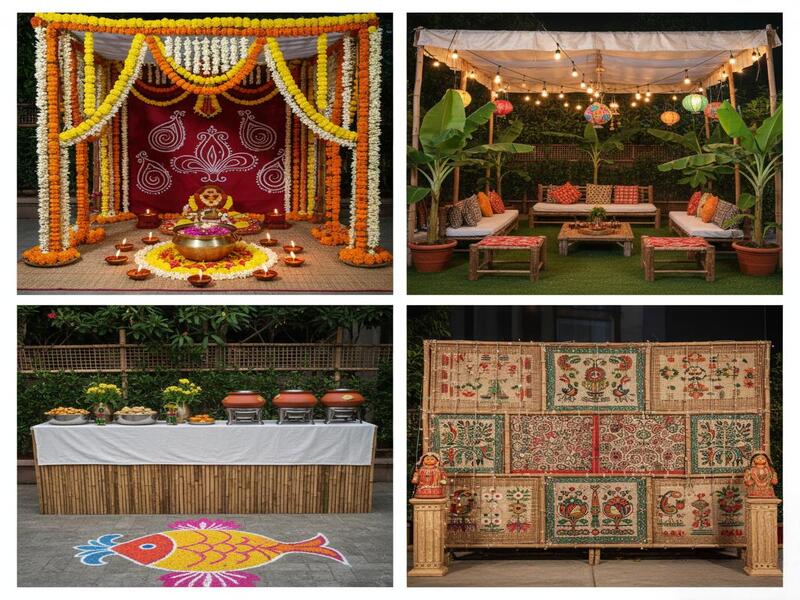
Event Planner Guide for Successful Celebrations
Event Planner Guide For Thoughtful And Meaningful Celebrations
Planning an event is not simply about arranging a venue and inviting guests. It is a layered process that blends creativity, organisation, cultural understanding and emotional awareness. An effective event planner guide helps individuals understand how experiences are shaped through detail driven decisions and careful coordination. From intimate family functions to large scale weddings and corporate gatherings, every event carries a purpose that goes beyond the surface. People today search for event planning guidance that feels real, practical and grounded in experience rather than sales focused promises. This guide is written to answer those genuine questions in a natural and conversational way, making it easy to follow for anyone planning an event for the first time or looking to improve their approach. The focus remains on clarity, structure and thoughtful execution so that every celebration feels seamless, personal and memorable.
Event planning has evolved significantly in recent years. Modern hosts expect more than basic arrangements. They want experiences that reflect their personality, values and vision while still running smoothly behind the scenes. This shift has made the role of event planning more intentional and more human. It requires understanding people just as much as understanding logistics. When done well, event planning creates moments that feel effortless to guests but are carefully designed at every stage. This guide explores that process in depth so readers can gain a complete understanding of what truly makes an event successful.
Understanding The Purpose And Vision Of Your Event
Every well planned event begins with a clear purpose. Without understanding why the event is being held, even the most beautiful arrangements can feel disconnected. Purpose gives direction to every decision, from venue selection to décor style and guest experience. An event planner guide always starts by asking the right questions. What is the reason for the gathering. What emotions should guests feel when they arrive and when they leave. Who is the event really for. These questions help define the vision and prevent unnecessary confusion later in the planning process.
A wedding celebration, for example, is rooted in emotion, tradition and personal storytelling. A corporate event focuses on engagement, professionalism and brand alignment. A birthday or anniversary may centre around warmth, connection and joy. When the purpose is clearly defined, the vision becomes easier to translate into tangible elements. Colours, lighting, seating layouts and even music choices begin to align naturally. This clarity also helps manage expectations among family members, colleagues and vendors, ensuring everyone works toward the same outcome.
Vision is not about trends alone. While inspiration can come from current styles, the strongest events are those that feel authentic. Understanding cultural nuances, personal preferences and guest demographics adds depth to the planning process. When vision and purpose are respected at every stage, the event feels cohesive rather than forced. Guests may not consciously notice this alignment, but they will feel it throughout the experience.
Budget Planning And Time Management In Event Planning
Budget planning is one of the most practical yet sensitive aspects of event management. A realistic budget acts as a guide rather than a limitation. It allows planners and hosts to prioritise what truly matters while making informed compromises elsewhere. An effective event planner guide emphasises transparency from the beginning. Knowing how much can be spent overall helps allocate funds wisely across venue, catering, décor, entertainment and logistics.
Time management is closely connected to budgeting. Events planned well in advance offer greater flexibility and better value. Early planning allows access to preferred venues and experienced vendors, often at more favourable rates. It also reduces last minute stress, which can lead to rushed decisions and unnecessary expenses. A clear timeline helps track progress and ensures no detail is overlooked. From booking confirmations to final rehearsals, each stage benefits from thoughtful scheduling.
Balancing budget and time also involves understanding seasonal demand. Peak wedding seasons, festive periods and weekends often come with higher costs and limited availability. Planning around these factors can make a significant difference. When budget and time are managed together, the planning process feels structured rather than overwhelming, allowing the host to enjoy the journey instead of feeling burdened by it.
Venue Selection And Spatial Planning For Guest Comfort
The venue is the foundation of any event. It influences atmosphere, flow and guest comfort more than any other single element. Choosing the right venue involves more than visual appeal. Practical considerations play an equally important role. Accessibility, capacity, ventilation, acoustics and facilities must all align with the needs of the event and its guests. An event planner guide encourages hosts to experience the venue from a guest perspective before making a decision.
Spatial planning within the venue is just as important. How guests enter the space, where they gather, how they move between activities and where they relax all affect their overall experience. Thoughtful layouts prevent congestion and confusion. Clear signage, comfortable seating and well defined zones for dining, entertainment and conversation contribute to a sense of ease. Guests should never feel lost or cramped, regardless of the size of the event.
Venues also shape the creative direction of an event. Natural lighting, architectural features and outdoor elements can enhance the design when used thoughtfully. Rather than overpowering the space with décor, effective planning works with the venue to highlight its strengths. This approach creates an environment that feels balanced and welcoming, allowing guests to connect with both the setting and the celebration.
Design Aesthetics And Atmosphere Creation
Design in event planning is not about decoration alone. It is about creating an atmosphere that supports the emotional tone of the occasion. Colours, textures, lighting and floral arrangements all work together to influence how guests feel within the space. An experienced event planner understands that subtle choices often have the greatest impact. Soft lighting can create intimacy, while structured arrangements can convey elegance and formality.
Consistency is key when developing design aesthetics. A clear theme or style direction ensures that every visual element feels intentional. This does not mean everything must match exactly, but there should be harmony across the space. When design elements complement each other, the event feels polished rather than chaotic. Guests may not analyse these details consciously, but they respond positively to environments that feel cohesive.
Atmosphere also extends beyond what guests see. Sound, scent and temperature all influence comfort and mood. Balanced music levels encourage conversation while maintaining energy. Fresh air and appropriate climate control ensure guests remain comfortable throughout the event. When atmosphere is carefully curated, guests remain engaged and present, which enhances the overall success of the celebration.
Catering Planning And Guest Experience
Food is often one of the most memorable aspects of any event. Catering should be planned with the same level of care as décor and entertainment. An effective event planner guide highlights the importance of understanding guest preferences and dietary requirements. Inclusive menu planning ensures that every guest feels considered and respected.
The style of service also affects the flow of the event. Seated meals create structure and formality, while buffet or live stations encourage interaction and flexibility. Timing is crucial. Meals should be served at moments that support the event schedule rather than interrupt it. Clear coordination between the catering team and event coordinators prevents delays and confusion.
Presentation plays a significant role in guest perception. Well presented food enhances the visual appeal of the event and adds to the overall atmosphere. When catering is aligned with the theme and tone of the celebration, it feels like a natural extension of the experience rather than a separate element. Guests remember not only the taste but also how the dining experience made them feel.
Managing Vendors And On The Day Coordination
Successful events rely on collaboration between multiple vendors. From decorators and caterers to technicians and photographers, each team plays a specific role. Clear communication and mutual respect are essential for smooth coordination. An event planner guide stresses the importance of detailed briefings and written confirmations so that expectations are understood by everyone involved.
On the day of the event, coordination becomes critical. A well prepared schedule ensures that activities flow smoothly and that transitions feel natural. Having a central point of contact for vendors reduces confusion and allows quick decision making when adjustments are needed. Even with the best planning, unexpected changes can occur. Calm and confident coordination ensures these moments are handled discreetly without disrupting the guest experience.
Behind the scenes organisation allows hosts and guests to remain fully present during the celebration. When logistics are managed effectively, the event feels effortless. This invisible structure is often what separates average events from truly memorable ones. Guests may not see the planning, but they feel its impact in every smooth transition and well timed moment.
Reflection And Learning After The Event
The event planning process does not end when the last guest leaves. Reflection is an important step that helps improve future experiences. Reviewing what worked well and what could be improved provides valuable insight. Feedback from guests and vendors can highlight strengths and reveal areas for growth. This learning process is essential for anyone who plans events regularly or wishes to refine their approach.
Documentation also plays a role in post event evaluation. Reviewing timelines, budgets and vendor performance helps identify patterns and best practices. These insights make future planning more efficient and confident. Reflection is not about perfection but about progress. Each event offers lessons that contribute to stronger planning skills and more meaningful celebrations.
Ultimately, event planning is about people. It is about creating spaces where memories are made and connections are strengthened. By focusing on purpose, preparation and empathy, anyone can approach event planning with clarity and confidence. This event planner guide is designed to support that journey with thoughtful insight and practical understanding.