
House Warming Decorations Ideas for a Warm Welcome
Transform Your New Home with Timeless House Warming Decorations
Moving into a new home marks a fresh beginning filled with hope, joy, and the promise of wonderful memories to come. One of the most cherished traditions in many cultures is the house warming ceremony, a celebration that symbolises blessing the new space with positivity and good fortune. At the heart of this event lies the art of house warming decorations, which sets the mood and spirit for the occasion. Thoughtful and elegant decoration not only enhances the aesthetic appeal of the new home but also honours tradition and invites warmth and happiness for everyone who steps inside.
Understanding house warming decorations requires more than just an eye for beauty. It demands insight into the symbolic elements, cultural nuances, and a genuine desire to create an environment that feels welcoming and festive. As homes vary in style, size, and architecture, the decorations should reflect the personality and aspirations of the homeowners while maintaining a balance between tradition and modern sensibilities.
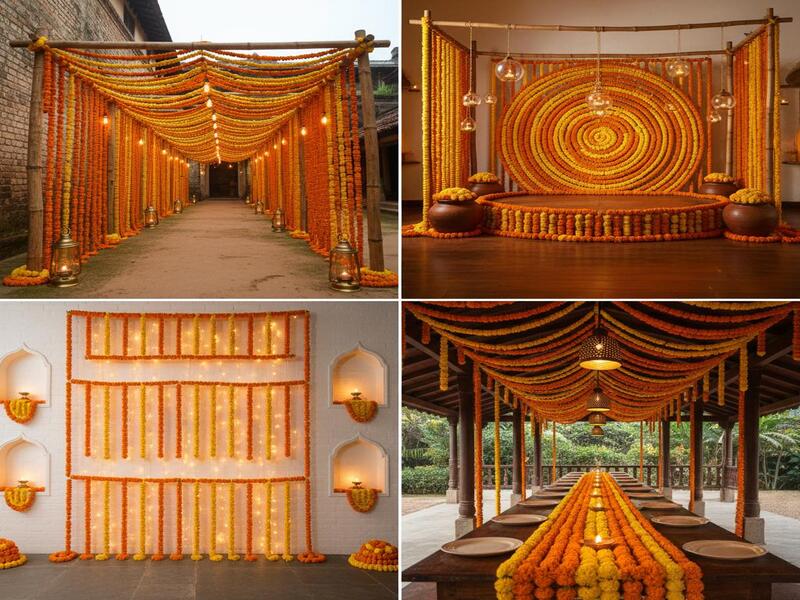
Choosing the right decorations is crucial as it helps to convey the celebratory spirit of the house warming ceremony. Colours, materials, and the arrangement of decorative elements all contribute to the overall atmosphere. For example, natural materials such as fresh flowers, marigold garlands, and mango leaves are often used in Indian house warming events, symbolising purity, prosperity, and protection. Incorporating these traditional elements with modern lighting and subtle artistic touches can create an ambiance that honours heritage while embracing contemporary elegance.
House warming decorations also play a practical role in directing the flow of guests and creating comfortable spaces for socialising. Entrance decor, living room arrangements, and altar or puja space embellishments need to be carefully planned to welcome visitors and facilitate smooth rituals. Lighting is another significant aspect, as warm and soft illumination adds a cosy, inviting feel to the setting and highlights the decorative features without overwhelming the senses.
Beyond the aesthetics, house warming decorations can be personalised to reflect the story of the homeowners. Including elements that tell a tale—whether it is through customised name plaques, handcrafted centrepieces, or photographs—adds a layer of emotional connection that guests will appreciate. This personal touch enhances the authenticity of the event, making it memorable and meaningful for everyone present.
While many consider decoration a visual art, its role in setting the emotional tone cannot be underestimated. A well-decorated house warming ceremony fosters a sense of togetherness, joy, and optimism. It becomes a space where friends and family gather to share blessings and create lasting memories. Therefore, investing time and thought into house warming decorations is an expression of care that transcends mere appearances.
In recent years, the trend of eco-friendly and sustainable decorations has gained popularity, reflecting a growing awareness about the environment. Using reusable fabrics, organic flowers, and biodegradable materials ensures that celebrations remain beautiful while being kind to the planet. This approach aligns well with the essence of house warming events, which celebrate new beginnings not only for the family but also for the home’s place in the wider world.
Whether the ceremony is a grand gathering or an intimate affair, the right decorations elevate the experience. They create a welcoming aura that honours tradition, celebrates the present, and looks forward to a bright future. As you plan your house warming decorations, focus on authenticity, warmth, and the joyful spirit that makes this occasion so special.
The Cultural Significance of House Warming Decorations and How They Shape the Ceremony
The cultural roots of house warming ceremonies run deep in many societies, particularly in India, where rituals and customs are interwoven with the fabric of everyday life. House warming decorations are not merely ornamental; they serve a higher purpose of sanctifying the space, inviting auspicious energies, and warding off negativity. Understanding these cultural elements helps homeowners and decorators create a setting that is both respectful and celebratory.
Marigold flowers are almost synonymous with Indian celebrations, especially house warming ceremonies. Their vibrant yellow and orange hues are believed to attract positivity and energy. Strings of marigold garlands hung at entrances and windows create a bright and welcoming entrance. Alongside these, mango leaves are often strung in torans, symbolising good luck and the promise of growth. These traditional materials reflect the deep connection to nature and spirituality that is central to such events.
Lighting also holds profound symbolic value. Diyas or traditional oil lamps are placed strategically around the home to dispel darkness and ignorance, bringing light and knowledge. Incorporating soft fairy lights or lanterns with diyas can blend tradition with a modern aesthetic, creating a warm and inviting atmosphere. The placement of these lights often aligns with the direction of the sun or specific puja rituals, demonstrating the care taken in preserving customs.
The use of rangoli art is another decorative tradition that adds vibrancy and symbolism. Made from coloured powders, flower petals, or rice, rangoli designs at the entrance or puja area signify welcome and prosperity. They are often customised to reflect auspicious symbols or motifs significant to the family or the occasion. The creative expression through rangoli connects guests to the cultural heritage and adds a unique visual focal point.
In addition to flowers, leaves, lights, and rangoli, many families include sacred symbols such as kalash (decorated pots filled with water and leaves), bells, and traditional fabrics in their house warming decorations. Each element is chosen to invoke blessings and protection, turning the home into a sanctuary of peace and happiness. Recognising the meaning behind these decorations helps in creating a thoughtful, respectful celebration.
The interplay of these elements – floral decorations, lighting, rangoli, and sacred symbols – shapes the entire experience of a house warming ceremony. It becomes not just a festive event but a meaningful ritual rooted in history and faith. By understanding and honouring these cultural aspects, the decorations can truly transform a new house into a cherished home.
Practical Tips for Creating Elegant and Memorable House Warming Decorations
While cultural symbolism is fundamental, the practical side of house warming decorations is equally important. A well-decorated space enhances the comfort of guests and supports the smooth flow of the ceremony and celebrations. Achieving elegance and memorability involves a balance of creativity, planning, and sensitivity to the space and occasion.
One of the first considerations in planning house warming decorations is the layout of the home. Key areas such as the entrance, living room, dining space, and puja or altar area need special attention. The entrance sets the tone and welcomes guests with a vibrant yet soothing décor that creates anticipation for the event inside. Floral garlands and rangoli are ideal here, combined with gentle lighting to enhance the welcome.
In the living area, seating arrangements should be comfortable and conducive to conversation. Soft cushions, draped fabrics, and subtle decorative accents like small floral centrepieces or scented candles add to the ambiance without overwhelming the space. The choice of colours is crucial – warm tones like marigold yellow, saffron, and red invite positivity, while subtle pastels can evoke calm and elegance.
The puja area or altar is often the focal point of house warming ceremonies. Decorations here require special care to respect religious practices and rituals. Clean white cloths, brass or silver utensils, and fresh flowers create a sacred space that honours the divine. Adding traditional lamps and incense complements the atmosphere, bringing a serene and spiritual quality to the setting.
Lighting plays a transformative role across the home. Using layers of light – from ceiling fixtures to lamps and diyas – can highlight key areas and create a warm glow. Avoid harsh overhead lights that might detract from the mood. Instead, opt for dimmable or warm-toned bulbs that replicate natural light and evoke comfort.
Texture and materials also contribute to the overall feel of the decorations. Mixing natural fibres such as cotton, jute, and silk with metallic accents adds richness and depth. These tactile contrasts engage guests’ senses beyond the visual, enhancing the immersive experience of the ceremony.
Another practical aspect is ensuring that decorations are safe and convenient. Fire safety should be paramount when using candles or diyas. Decorations should not obstruct pathways or crowd small spaces, as this could make guests uncomfortable. Planning well in advance and rehearsing the arrangement helps in identifying and addressing any potential issues.
Finally, personalised touches can elevate house warming decorations to a new level of meaning. Incorporating elements like family heirlooms, custom artwork, or meaningful quotes invites guests to connect more deeply with the occasion. These details reflect thoughtfulness and care, making the celebration unique and heartfelt.
By combining practical planning with creative expression and respect for tradition, house warming decorations can transform any space into an elegant and memorable setting. This thoughtful approach ensures that the event honours both the home and the people who will fill it with life.
How Modern Trends and Sustainability Influence House Warming Decorations Today
House warming decorations have evolved over time, reflecting changes in lifestyle, design preferences, and environmental awareness. Today, many homeowners seek a balance between tradition and modernity while embracing sustainability as a guiding principle. These trends influence choices in materials, colours, and themes, offering fresh ways to celebrate the new home.
One prominent trend is the use of eco-friendly and reusable materials. Rather than relying on single-use plastics or synthetic decor, many people opt for organic fabrics, dried flowers, and natural fibres. This shift aligns with a growing consciousness about reducing waste and protecting the environment. Reusable decorations not only minimise ecological impact but also offer versatility, allowing homeowners to adapt and personalise them for future occasions.
Minimalist design is also gaining traction. Clean lines, neutral palettes with occasional warm accents, and uncluttered spaces create a calming backdrop for house warming ceremonies. This style appeals to modern sensibilities while allowing traditional elements such as marigold garlands or diyas to stand out more vividly. Minimalism can be particularly effective in smaller homes or urban settings where space is limited.
Technology has found its way into house warming decorations in subtle yet impactful ways. Soft LED lighting that can be controlled remotely or through apps allows precise mood setting without fuss. Projection lighting or digital rangoli designs offer innovative interpretations of traditional art, combining heritage with contemporary creativity. These options provide flexibility and convenience without losing the emotional connection.
Personalisation remains a key trend. Homeowners want their celebrations to tell their story, whether through custom-made decor, curated colour schemes, or unique centrepieces. This approach reflects a desire for authenticity and deeper meaning, moving beyond generic or commercialised decoration styles.
Finally, the focus on wellness and mindfulness influences house warming decorations. Incorporating elements such as indoor plants, calming colours, and natural aromas contributes to creating a nurturing environment. These choices support the idea that a home is not only a physical space but a sanctuary for mental and emotional wellbeing.
Together, these modern trends and sustainability principles invite a fresh perspective on house warming decorations. They encourage homeowners to blend the best of tradition with innovation and care for the planet, crafting celebrations that are both beautiful and responsible.
House warming decorations hold a special place in the journey of making a house a home. Rooted in cultural significance and evolving with contemporary tastes, they are a vital expression of joy, hope, and blessing. By embracing tradition, practical planning, and modern values such as sustainability, homeowners can create a welcoming and memorable celebration. This thoughtful approach to decoration enriches the experience for everyone involved and honours the beginning of a new chapter in life.