
Roka Ceremony Meaning Guide for Indian Weddings
Roka Ceremony: The Meaning, Rituals and How to Plan a Thoughtful Celebration
Every love story deserves a beautiful beginning. And in many Indian weddings that beginning is marked by a Roka ceremony. This intimate, heartfelt ritual signifies more than just the union of two people — it marks the moment when two families come together and acknowledge that their children have found life partners. For couples and families contemplating a Roka, this article explores its meaning, rituals, evolving relevance, and how thoughtful planning of ambience and decoration can help make it truly memorable.
What Is a Roka Ceremony and Why It Matters
The word “Roka” originates from the Hindi “rokna” meaning “to stop”. In a wedding context the Roka signals that both the bride and groom have “stopped” their search, and their families have formally accepted the union. It is the first official step in the wedding journey. In many North Indian and Punjabi traditions the Roka serves as a declaration of commitment and triggers the beginning of wedding planning.
Traditionally the Roka is quite personal and intimate. It involves only the closest family members — parents, grandparents, siblings, perhaps a few very close friends — rather than the large guest lists seen at engagements or reception parties. Through a prayer or a small ceremony, the families bless the couple, exchange sweets or gifts, and sometimes perform rituals such as applying tilak (a mark on the forehead) or draping a dupatta or chunni (for the bride) as a gesture of acceptance.
In that sense the Roka ceremony holds a deep emotional significance. It brings together two families in respect and celebration. It symbolises the official start of a new chapter. It allows the families to express their joy and offers a warm, meaningful moment before the bustle of wedding planning begins.
Traditional Elements and Rituals
At its core the Roka ceremony remains simple and heartfelt. What it includes may vary across regions and families. In many cases the rituals follow these broad customs.
Often held at the bride’s (or sometimes groom’s) home — though modern couples may choose banquet halls, gardens or other venues — the Roka may begin with a small prayer or aarti invoking blessings for the couple’s future. Elders from both families may apply tilak on the forehead of the bride and groom, a symbolic act of acceptance and blessing. In Punjabi and North Indian traditions the mother of the groom’s family may drape a chunni over the bride’s head, a gesture that in earlier times represented her formal welcome into the groom’s family.
Gifts, sweets, and fruit baskets are commonly exchanged between families. These offerings are not mere formalities: they are tokens of goodwill, warmth and mutual respect. In modern celebrations some families may also exchange rings or small tokens as symbolic of the commitment. The atmosphere is usually calm, intimate and emotionally rich. There may be a modest celebration after the formal rituals — tea or snacks for the family, maybe music or some light refreshments.
In many cases the Roka also serves a practical purpose. It often initiates formal wedding planning. Families may start discussing potential wedding dates, preliminary guest lists and other arrangements. In that sense the Roka becomes both a celebration and a foundation stone for the wedding journey ahead.
How Roka Has Evolved in Modern Weddings
While the origins of Roka are rooted in tradition, modern couples and families often adapt the ceremony to suit their preferences and lifestyles. What once may have been a strictly home-based ritual with a few elders in attendance often evolves into a mini celebration involving larger family circles or close friends. For some, it becomes a modest gathering at a garden, rooftop, boutique hall or intimate venue rather than a home setting.
Along with the expansion of guest lists, the kind of decor, photography, styling and ambience has also seen an upgrade. Many couples now enjoy capturing memories — through professional photographers, candid moments and prepared décor — ensuring that the beginning of their journey is documented in style. Colours, floral arrangements, ambient lighting, personalised details such as name plates or arrangements that reflect the couple’s story add a fresh modern touch while still retaining the emotional core of the Roka.
Despite these changes the heart of the ceremony remains the same. Whether modest or elaborate, the purpose is to honour the union, seek blessings, and affirm that two families are now one. The simplicity and emotional resonance of the ritual continues to make it a trusted tradition for couples seeking a meaningful start to their marital journey.
Planning a Roka Ceremony: What to Consider for a Thoughtful Celebration
If you are planning a Roka, it helps to think beyond just the rituals. Thoughtful planning can turn this simple ceremony into a warm, memorable experience for both families and the couple. First, decide on a venue that reflects the kind of atmosphere you want — something calm and homely if you want to keep things intimate, or a garden/banquet hall if you expect more guests but still prefer a private feel. The choice of venue often sets the tone for the celebration.
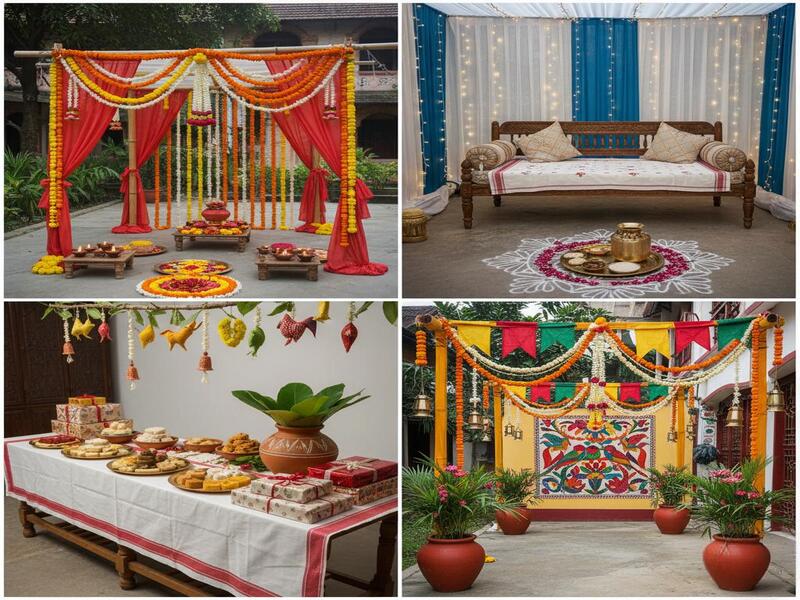
Next, consider the décor and ambience. Because the Roka is both emotional and symbolic, subtle decorations can add a touch of elegance without overwhelming the sincerity. A tasteful floral arrangement, soft lighting, modest backdrops or a decorative stage area for rituals and photography can enhance the moment. Personal touches — like family photos, a simple backdrop with names and date, or traditional motifs — often resonate more than extravagant setups.
Keep the ceremony short and meaningful. The essence lies in family blessings, acceptance, exchanging sweets or gifts, and acknowledging the union. A prolonged or overly showy event may dilute the emotional essence. After the formal rituals, light refreshments or a small gathering with close family helps to create a relaxed atmosphere where people can bond, share stories, and make memories.
Finally bring along items that matter — ritual items like tilak powder or a small platter (thali), sweets or fruit baskets for exchange, simple gifts if you follow that tradition, and perhaps a camera or smartphone to capture candid moments. What matters most is the warmth, sincerity and togetherness.
Why Decoration and Presentation Matter — Even for a Simple Roka
Because the Roka marks the official start of wedding preparations, the memory of this day often stays with couples and families forever. Having even modest decoration creates a warm, lasting ambience that elevates the emotional core of the event. Thoughtfully curated décor does not mean extravagance — it means designing the setting in a way that conveys love, respect, family unity and warmth.
A well-decorated space helps to create a relaxed mood where everyone feels welcome and comfortable. For families coming together from different places it can signal unity and shared joy. It also offers a familiar yet special canvas for photographs that later become treasured memories.
In recent times many event planners and decorators emphasise combining tradition with modern style. Elements like soft drapes, floral arrangements, ambient lights, subtle colour schemes, and thoughtful seating arrangements for elders and guests help keep the tradition intact while making the environment photo-friendly and welcoming.
The Roka Ceremony Through the Lens of Event Planning and Decoration
Planning a Roka with care offers a beautiful opportunity to blend tradition, emotion and thoughtful aesthetics. For decorators and planners working on a Roka, the aim should always be to reflect the emotional essence and family values rather than just create a showpiece. Décor should enhance feelings of togetherness, warmth and respect for traditions.
Start by understanding the families’ background and preferences. Some may prefer a traditional and minimalistic vibe while others may lean towards a modern yet culturally rooted setting. Cultural sensitivity is crucial: choose decor, colours, fabrics and patterns that respect the community’s traditions. Seating arrangements should consider elders, comfort and social dynamics. Lighting should be soft yet elegant, and floral or traditional decorations subtle but meaningful.
It helps also to plan for practicalities — arrival arrangements, clean transitions between prayer and casual gathering, places for gifts and snacks, a photography corner, and comfortable seating for elders. If one aims to document the day, a small corner for photos or couple portraits goes a long way in making memories.
What makes a Roka truly special is the emotional sincerity behind it, not extravagance. When_DECOR and planning respects the spirit of family union and warmth and focuses on details that matter — blessings, acceptance, smiles and togetherness — the event feels authentic, heartfelt and memorable.
Roka and the Role of Families: Blessings, Respect and Mutual Understanding
At its heart the Roka ceremony is about families coming together. It is not only the couple that is committing to a future together, but two families acknowledging each other’s values, hopes and dreams. The presence of parents, grandparents, siblings lends weight to that commitment. Their blessings and acceptance turn a private agreement into a public promise, and that matters deeply in many Indian households.
It is a moment of respect and mutual understanding. Often elders share blessings, words of wisdom, or even anecdotes about family values and relationships. These moments, though simple and brief, create a sense of belonging and emotional security for the couple.
For families that have not interacted much before, the Roka offers a gentle opportunity to bond. Sharing sweets or gifts, sitting together, having informal conversations and enjoying a modest celebration helps create familiarity and warmth. It is perhaps the first time both families meet in a moment of shared joy, and how they connect can shape the tone for the rest of the wedding journey.
When and Where to Hold the Roka: Flexibility in Modern Times
Unlike other pre-wedding rituals that may follow stricter customs or calendars, the Roka offers a lot of flexibility. There is no fixed time period that mandates when it must happen. Traditionally it occurs soon after the families agree to the match. In many cases a good auspicious date (muhurat) is chosen for blessings and to begin the wedding planning.
Venue choice has also broadened over time. While home is still the most common and emotionally comfortable setting for families, many now pick banquet halls, small hotels, gardens, or intimate rooftop venues. This flexibility helps accommodate those who might have limited space at home, or those who prefer a slightly more formal setting.
The size and scope of the event largely depend on the families’ preferences and convenience. Some may prefer a simple, private gathering at home. Others may wish for a small celebration with extended family. The emphasis remains on sincerity, blessings and family bonding — regardless of setting.
The Significance of Roka in Contemporary Indian Weddings
In an era where many weddings are turning into extravagant, multi-day affairs, the Roka remains a beautiful anchor — a reminder of what truly matters. At a time when guest lists grow and preparations become overwhelming, the Roka stands as a calm, emotionally grounded moment. It captures a family’s joy and unity without the pressure of grandeur.
For couples, it offers a moment to pause, reflect and celebrate the decision to spend their lives together. For families, it is a promise of support, blessings and unity. For friends and well wishers who may join in, it is a peek into the love, respect and cultural values that form the base of a lifelong commitment.
In this way the Roka ceremony bridges tradition and modernity. It honours ancestral customs while adapting to contemporary lifestyles and sensibilities. It remains deeply personal yet socially meaningful. It is both a blessing and a beginning.
Final Thoughts
The Roka ceremony is more than just a ritual. It is a heartfelt celebration of love, commitment and family unity. It marks the official beginning of a couple’s wedding journey. While customs may evolve and venues may change, the essence remains timeless: families coming together, offering their blessings, and promising a future filled with love, respect and togetherness. When planned with care and sincerity, even a modest Roka can become one of the most cherished memories of a lifetime.
Whether you are a couple preparing for your Roka, or a family member or friend helping with the arrangements, remember that the true beauty lies not in elaborate decor or guest lists, but in emotional honesty, genuine blessings and shared joy.